Looking back at 2025
A year OWSD moved from supporting scientists to reshaping the systems around them
 OWSD Secretariat


Every year we take stock of where the OWSD community has been, and 2025 gave us a lot to reflect on.
2025 was the year OWSD's work shifted register. Alongside the fellowships, awards and training that have always been at the heart of what we do, the organisation began engaging more directly with the systems that shape who gets to do science, and who gets heard. Support for individual women scientists remained essential. But increasingly, that support is being built into institutions designed to outlast any single programme.
That shift was clearest in two milestones. The first was the launch of GenSIS, the Gender-Inclusive Science Institutions Systems project. Building on a 2024 pilot with National Chapters in Bolivia, Rwanda and Zimbabwe (which surveyed more than 4,000 women in STEM) OWSD partnered with UNESCO to turn the idea into coordinated, evidence-driven policy reform across institutions in the Global South. GenSIS was formally launched at our General Assembly in November, marking a real move from individual-focused support towards system-level change.
The second was the continued growth of WISDOM, the Women in Science Displacement Outreach Master's programme. After launching in Jordan and Türkiye, in 2025 the programme reached a new partner: Mbarara University in Uganda, where its inaugural cohort brought together refugee students from Sudan, Burundi, Rwanda and Somalia. WISDOM invests not only in students but in the host institutions that support them.
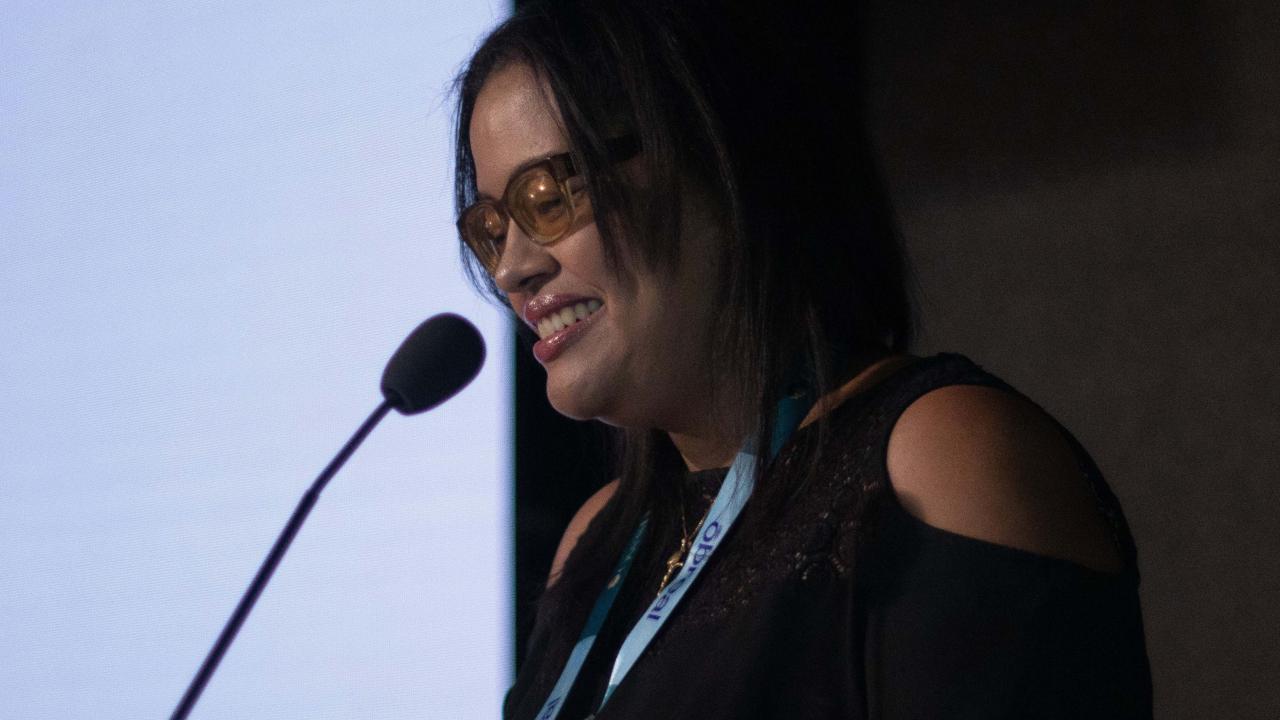
The year also brought a change in leadership. At the 7th OWSD General Assembly in Bogotá - our first Assembly in Latin America, and one of the largest gatherings of women scientists from the Global South to date - members elected a new 12-member Executive Board and named Luisa Fernanda Echeverría-King of Colombia as Acting President, the first from the region. The Assembly's principal output, the Bogotá Statement, set three commitments to guide OWSD through 2030: deeper strategic partnerships, stronger resource mobilisation, and expanded capacity building.
Around these headline moments, the wider community kept growing. Our National Chapters reported 189 activities across 31 countries: more than double the previous year. OWSD also welcomed two new chapters, in Ethiopia and Argentina, bringing the network to 59. Membership passed 11,900, with over a thousand new members joining over the year.
None of this erases the funding pressures the sector continues to face. But 2025 leaves OWSD on firm footing: a new Board, a clear strategic direction, and a community more connected than it has been in years.
If you'd like the full story, programme by programme, region by region, our 2025 Annual Report is now available to read online.


OWSD in numbers 2025